Exploring the Psychology of Luxury Scents: How Fragrance Impacts Mood, Memory, and Identity
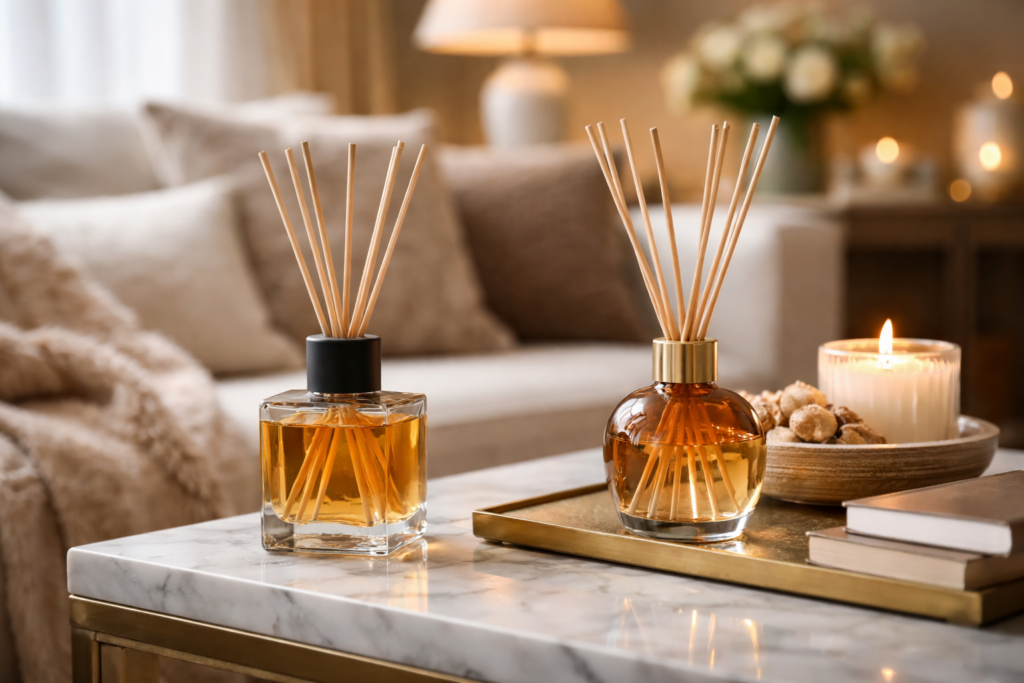
How the Human Brain Responds to Scent
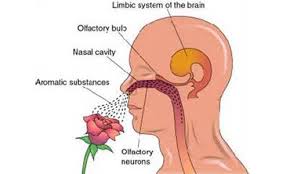
The sense of smell links inextricably with the emotional center of the brain. When we breathe in, our olfactory bulb interprets the aroma and sends signals directly to our emotional centers in our brain, specifically our amygdala and hippocampus. These centers of our brain control our moods and memory. It explains how we can experience an instantaneous reaction long before we consciously become aware of what’s happening. Our brains hardwire themselves to associate aroma with both our moods and our memory.
The Emotional Power of Fragrance and Memory
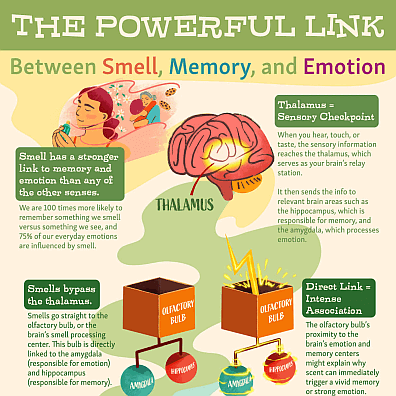
A scent can unlock buried memories in an instant. Smell links more strongly with memory than any other sense. Catching a glimpse of a known scent can recall a memory of a childhood location or a family member. The scent trigger activates the amygdala, which holds emotional memories. This activation results in the intense emotional experiences we feel. It explains why high-end diffusers or perfumes evoke a comforting and nostalgic reaction.
Why Certain Scents Are Perceived as Luxurious
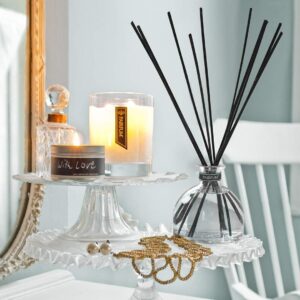
Some fragrances inherently have a luxurious quality. One way fragrances can create the perception of being luxurious is through the use of exotic natural ingredients (woods, spices, or flowers). The presence of amber, vanilla, or sandalwood gives a luxurious and rich depth. Research shows that using these warm fragrances conveys a luxurious scent and creates the perception of a product’s worth being higher.
How Luxury Scents Shape Mood and Atmosphere at Home

Luxury perfumes set the tone of the room in an instant. Lavender and chamomile relax the mind and eliminate stress effectively. Citrus-based perfumes, such as lemon or orange, invigorate. Vanilla and amber create a cozy atmosphere effectively. Sometimes, the type of perfume used sets the tone of the room. Research shows that people tend to stay longer in rooms with pleasing scents.
Scent as an Extension of Personal Identity and Lifestyle
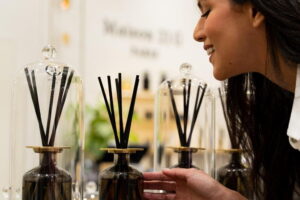
A home scent can also be part of your personal brand. Having a fragrance is an instinctive form of self expression. Fragrance is considered to be our “olfactory signature,” according to experts, and it embodies our own personal character. If you have a strong and spicy perfume, this can convey that you are confident and warm, and if you have a fresh floral and citrus perfume, then you can be perceived to be bright and cheerful. Our favorite home scents can eventually be part of our personal brand.